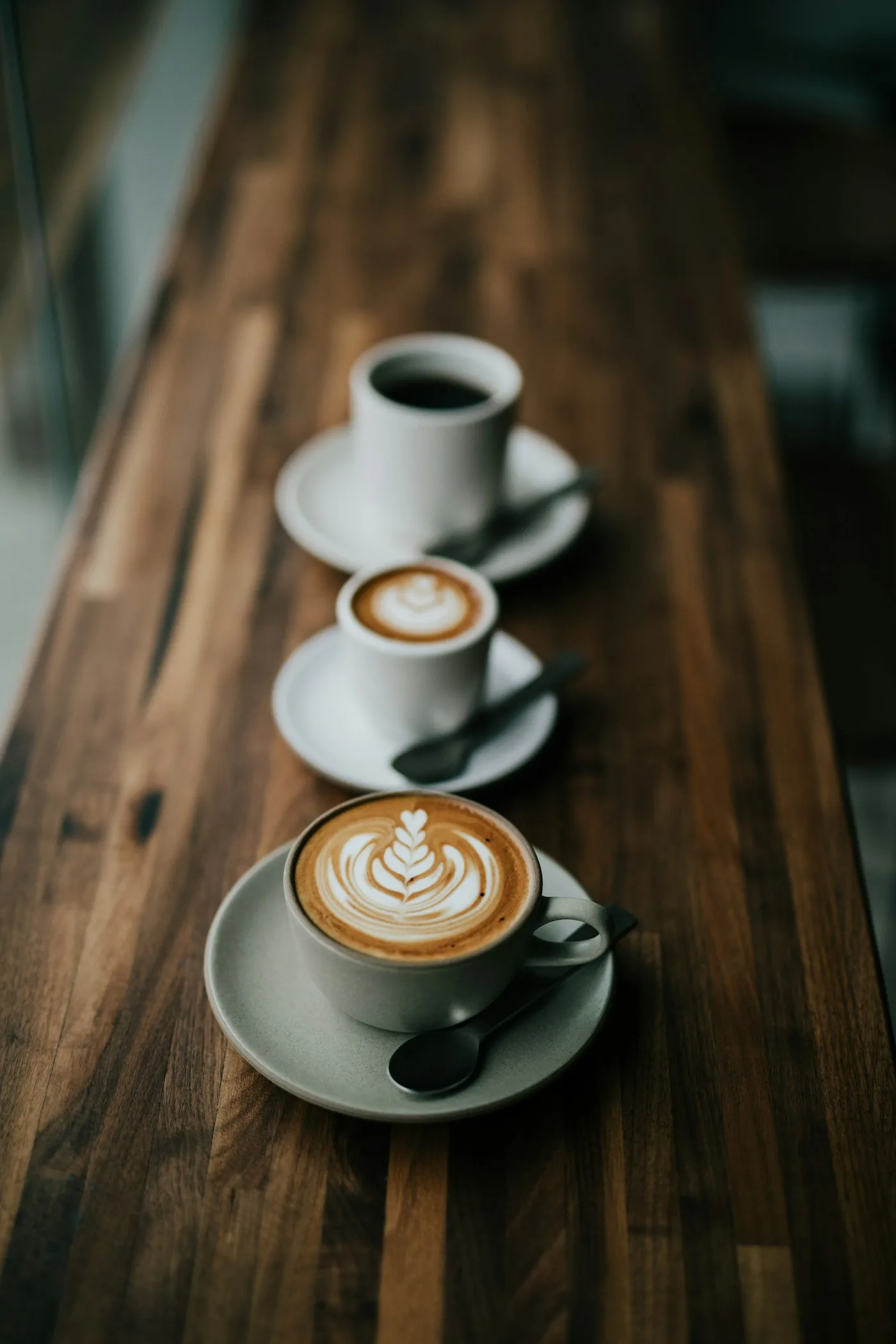
You finish a bag of coffee and remember liking it. A month later, the packaging has gone and you cannot remember which one it was. A tasting log gives the useful details somewhere to live.
You do not need to score every cup or find an impressive flavor description. Start with a note that answers one practical question: what would you want to know when making this again?
Start with three details
The smallest useful entry is the coffee's name, how you made it, and whether you would have it again. Add the roaster when the name alone would be hard to search. A photograph of the bag can help you recognize it later.
For the verdict, choose "yes," "maybe," or "no," then add a few words if they matter. "Yes, as a latte" is more useful than a score without context. "Maybe, try a smaller drink" gives you a specific experiment for next time.
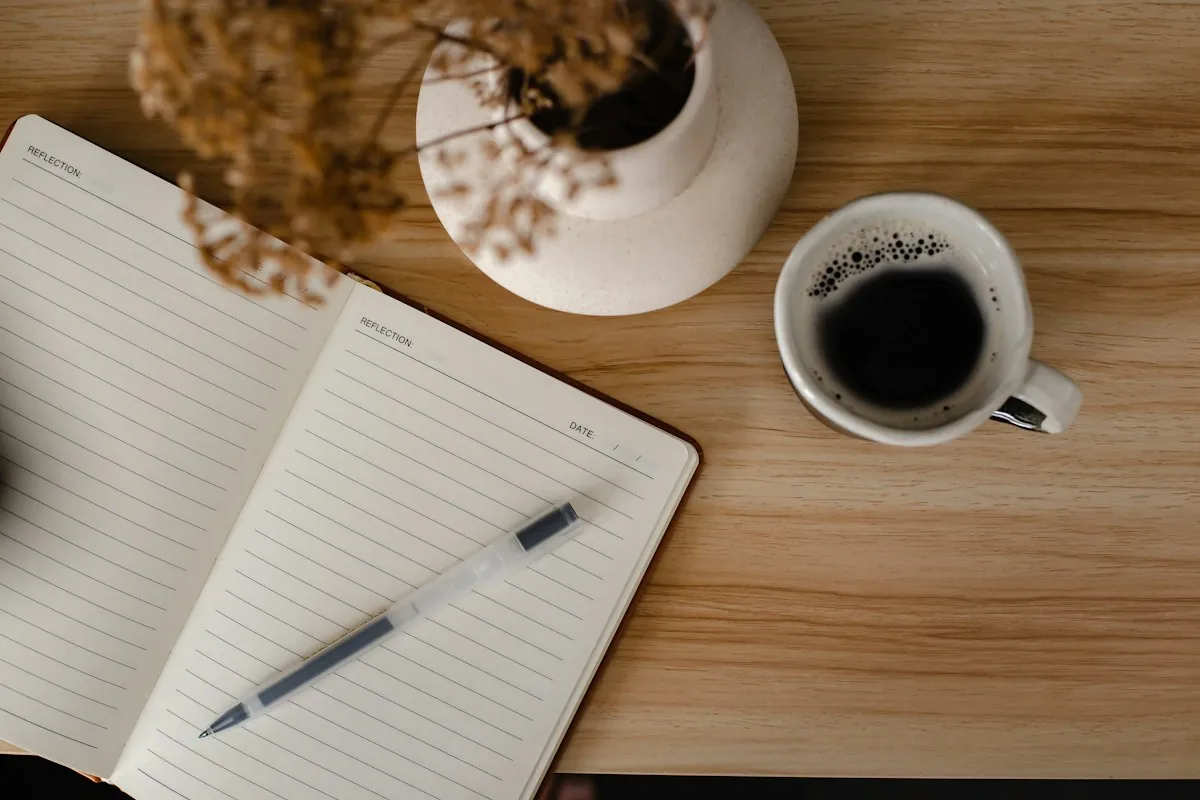
You can keep the note on paper, in a phone note, or in our coffee notes tool. Choose one home for it before collecting entries in several places.
Record what you actually did
If you want to repeat a home recipe, write the brewer and the amounts or settings you used. If a detail was not measured, leave it blank or write "not measured." Filling every field matters less than being able to trust it later.
For espresso, optional details include the coffee dose, grinder setting, drink weight in the cup, and elapsed time. Keep the way you record them consistent. If you time a shot, note when you started the timer so later comparisons use the same starting point. These are recording options, not a required recipe.
When investigating inconsistent espresso, distinguish beans weighed before grinding from grounds weighed in the basket. Fellow's dialing-in guide notes that grounds can remain in the grinder chute, so those amounts may differ. You only need that extra detail when it helps answer your question.
For a cafe drink, record the cafe, drink name, size, and any choice you made. You do not need to reconstruct a recipe you were never given.
Use words you would recognize later
Describe the part you noticed. "Pleasant with milk," "stronger than I wanted," and "would order this again" are useful observations. You can write a flavor comparison if one comes to mind, but ordinary language is enough.
Keep the context with the opinion. A coffee you disliked black may be one you enjoyed in a latte. Write that distinction instead of deciding the whole bag was good or bad after one version.
If you change something, record the change beside the next entry. Comparing two attempts is easier when the note says what you did differently. Avoid turning an unclear taste into a confident technical diagnosis.
An example entry
Here's a sample entry using a fictional coffee.
- Coffee / beans
- Example House Blend, Example Roaster
- How I made it
- Home latte using my saved recipe; kept the same grinder setting.
- Would I have it again?
- Maybe. Enjoyed it with milk; undecided about buying another bag.
- One thing to remember
- Keep the recipe for the next attempt before trying a different coffee.
A real entry can be shorter. If the only thing worth saving is "get this one again," record the bag name and that sentence.
Copy this small log
Repeat these lines for each bag or each recipe comparison. Add the date if it will help you find the entry later.
- Coffee / roaster: ____________________
- How I made it: ____________________
- One thing I noticed: ____________________
- Have it again? Yes / maybe / no
- Next time: ____________________
The coffee notes tool has a print button if you prefer a separate copy. Notes saved there stay in that browser on that device. They do not sync between devices and may disappear if you clear browser data, so print anything you want to keep separately.
Look back when the note can help
Read the log before ordering another bag or repeating a recipe. Pick out the names you wanted to buy again and the one adjustment you wanted to try.
If logging every cup becomes a chore, write only when opening or finishing a bag. Keep the parts that help with the next decision. For a repeatable espresso starting point, read the weighing and tamping routine.